The Garden of Eden

ITTF Sports Development Director
2025年3月20日
Just four kilometers south of Auckland’s bustling city center lies the long-silent volcanic site of Mount Eden. Rising 196 meters above sea level, the summit offers a breathtaking 360-degree view of New Zealand’s largest and fastest-growing city—a place that, with its stunning scenery and temperate climate, feels almost heaven-sent.
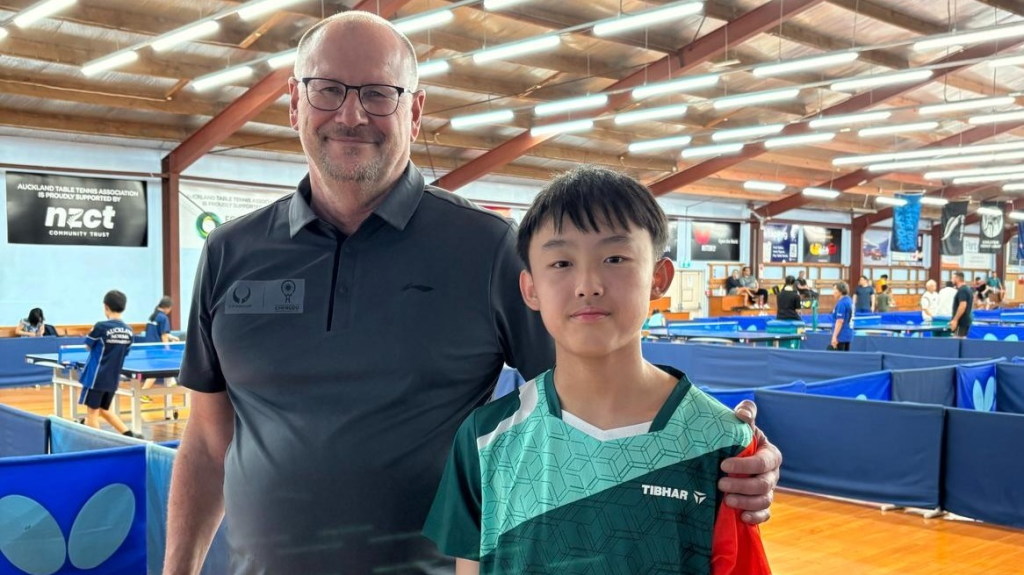
At the foot of this iconic landmark sits a lesser-known gem: the Auckland Table Tennis Association (ATTA) training hall. Home to 20 tables and over 600 active members, ATTA is a pillar of the sport in the region. The hall is more than just a training facility; it’s an institution, as ITTF CEO Steve Dainton puts it—an enduring force in Oceania’s table tennis scene, hosting events and providing a high-quality training environment. The venue also serves as the headquarters for New Zealand Table Tennis Association (NZTTA), the national governing body of the sport.
A Struggle for Recognition
New Zealand table tennis once rivaled its bigger neighbor, Australia, on the international stage. But in the past two decades, maintaining that competitive edge has been a challenge—especially in the realm of high-performance development. A rigid sports funding model prioritizing mainstream sports and an Olympic qualification system that’s among the world’s strictest have made it difficult for Kiwi players and coaches to thrive. Yet, there’s reason to believe that the tide is turning. A new wave of young, ambitious players is emerging—not just content with national titles, but hungry for international success. At the same time, NZTTA’s financial outlook has improved, thanks to a steady flow of government funding through New Zealand’s online betting agencies.
One major contributor to this resurgence is the ITTF Hopes Program, which has identified and nurtured promising young Kiwi athletes. Leading the charge is 12-year-old Eli Ho, the winner of the 2024 ITTF World Hopes Week & Challenge in Paraguay.
A Unique Playing Style: The Rise of the “Tiger Wing”
Eli Ho isn’t just making waves because of his talent—his playing style is unlike anything seen before. He uses the Tiger Wing grip, a hybrid between the traditional Japanese penhold and the shakehand grip. This unique technique allows him to attack and block with the same side of the racket while using long pimples on the reverse side for service returns and backhand pushes. The mastermind behind this innovative grip? His father, John Ho—a passionate table tennis enthusiast who has spent years analyzing playing styles. “When Eli started playing this way, people thought it was strange,” John recalls. “They questioned why he was using such an unconventional grip. But now, with his success, more and more coaches are paying attention. I’m excited to see if the Tiger Wing style can produce a truly world-class player.”
The Training Culture in Auckland
Like many places around the world, Auckland’s table tennis scene is dominated by private coaching. Parents often invest up to NZD 2,000 per month for individual lessons, with additional costs for overseas tournaments. Group sessions and match play are available, but competitive intensity sometimes falls short—something that could be crucial for young players’ rapid development. Despite these challenges, New Zealand’s cadet-level players are making a statement. The country is on track to overtake Australia in youth categories and could soon contend for a team event spot at the 2025 World Youth Championships.
A Bright Future—But Challenges Remain
New Zealand table tennis is at a crossroads. The talent is there. The funding is improving. But international exposure—both in training and competition—remains a hurdle. Traveling abroad is expensive, and access to elite-level sparring partners is limited. For the next generation of Kiwi players to truly rise, decision-makers must understand the pathways to high performance and the long-term value of investing in young athletes. It’s a journey that demands vision, resources, and belief—but one that could reshape New Zealand’s presence on the world stage. A global sport deserves global opportunities. The Kiwis are ready to seize them.
 Read the full article: https://www.linkedin.com/pulse/garden-eden-mikael-andersson-m3mcf
 TigerWing Table Tennis 翼虎乒乓