The progress of TigerWing Eli Ho’ RSB technique development from 2018 to 2026.
TigerWing 的 RSB(Reverse Shakehand Backhand,横拍反打)从 2018 年的观察触发点,发展到 2026 年已经形成一套以“反胶 + 长胶 + 快速切换 + 节奏撕裂”为核心的完整体系。
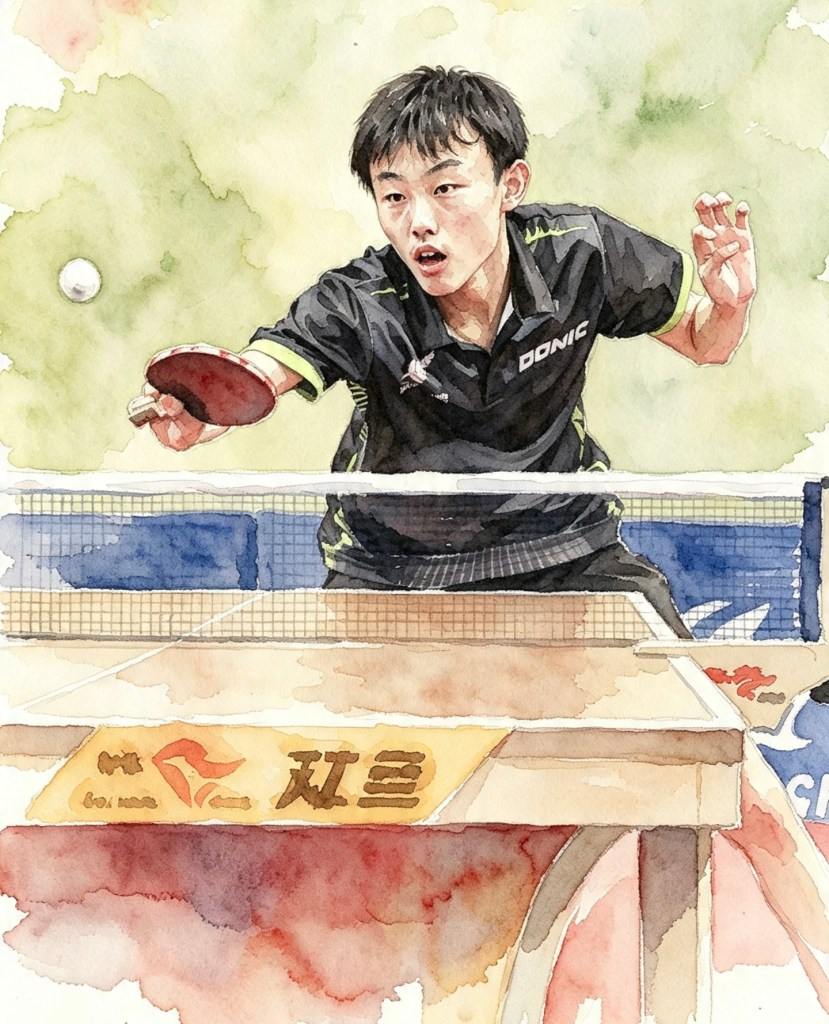
From 2018 to 2026, TigerWing Eli Ho’s RSB development appears to have progressed from a newly observed backhand pattern into the core technical engine of the TigerWing system, then into a competition-tested and internationally visible style. The most consistent timeline in the available sources shows: discovery and concept formation in 2018, internal technical refinement through 2019–2020, competitive validation in 2021–2022, broader tactical maturity by 2025, and public demonstration at major 2026 events.
Development timeline
2018: Origin and concept. TigerWing’s beginning is described as August 23, 2018, when John Ho noticed Eli using the same racket side for both forehand and backhand, which triggered the development of a new grip-and-rubber system. The RSB idea was then framed as the backhand mechanism that could exploit inverted rubber on the reverse side of the racket.
2019–2020: Technical formation. The system was refined into a “dual-rubber integration” model combining inverted rubber and long pips, with RSB becoming a defining feature of the style rather than just a single stroke variation. The emphasis was on grip transition efficiency, backhand reach, and using spin/pace contrast to disrupt opponents.
2021–2022: Competition validation. By this stage, Eli was already using RSB in competition and training clips, often paired with long pips on the backhand side to alternate between topspin, no-spin, and disruptive returns. The sources describe this period as one of repeated tournament success that served as evidence the technique was functional under match pressure.
2025: Tactical maturity. Later writing describes RSB as enabling strong backhand counterplay both close to and away from the table, with the style used to collapse opponent rhythm through alternation between long-pips flicks and RSB counters. That suggests the technique had moved beyond novelty into a stable match-winning structure.
2026: International visibility. In 2026, TigerWing RSB was publicly shown at the World Championships and Commonwealth Championships, indicating the technique had reached a stage of high-level exposure and ongoing refinement. The 2026 material presents RSB as a central and recognizable part of Eli’s technical identity.
What changed technically
RSB seems to have evolved in three main ways. First, it moved from a natural observation into a deliberate backhand attacking method using the inverted side of the racket. Second, it became integrated with long pips so Eli could switch between attack and disruption without twiddling in the conventional sense. Third, it expanded from a backhand stroke into a broader tactical system based on rhythm control, deception, and fast transition between surfaces.
Overall significance
The sources portray RSB not as a side technique, but as the core of TigerWing’s identity and competitive logic. Across 2018–2026, the development path is basically: observe, formalize, integrate, test, validate, and showcase internationally.
TigerWing 的 RSB(Reverse Shakehand Backhand,横拍反打)从 2018 年的观察触发点,发展到 2026 年已经形成一套以“反胶 + 长胶 + 快速切换 + 节奏撕裂”为核心的完整体系。
中文时间线
2018 年:起点
John Ho 在 2018 年 8 月 23 日观察到 Eli Ho 反手和正手都倾向用同一侧球拍击球,这个现象成为 TigerWing 系统的起点,也直接催生了 RSB 思路。
2018 年末到 2020 年:系统成形
TigerWing 逐步形成“异质双胶”结构,即一面反胶、一面长胶,并把 RSB 定位为反手位的核心进攻方式,用来解决传统横拍反手能量不足和过渡不快的问题。
2021 年:开始进入实战验证
2021 年的演练视频已经明确出现 “RSB Drill” 和 “RSB + long pips” 的组合,说明这时 RSB 不再只是概念,而是已经进入系统化训练。
2022 年:公开比赛中的样式固定
2022 年的视频和介绍都强调:反手位可以在反胶与长胶之间随机切换,借此制造上旋、下旋、无旋转和节奏差,这说明 RSB 已经成为比赛里可执行的固定武器。
2024 年:国际赛场突破
资料显示,Eli Ho 在 2024 年取得 ITTF-World Hopes Challenge 的突破,并进一步把 TigerWing 带到更高层级的国际关注中。
2025 年:成熟期
2025 年的材料把 RSB 描述为既能近台抢攻,也能中远台对抗的稳定工具,重点不再只是“新奇”,而是“实战有效”。
2026 年:国际曝光与定型
2026 年 TigerWing RSB 出现在 Commonwealth Championships 和世界团体赛相关内容中,说明这套技术已经从地方性创新走到国际舞台展示阶段。
技术分析
RSB 的本质,是把传统横拍里“反手只做被动衔接”的位置,改造成一个主动进攻入口。
它的价值不只在于能拉球,而在于它同时保留了反胶的上旋攻击力和长胶的扰动能力,使对手很难提前判断来球旋转和落点。
核心技术逻辑
反胶负责压制。
反胶侧用于反手快撕、反拉、快带和弧圈,目的是真正把反手位变成攻击点,而不是只是过渡点。
长胶负责扰乱。
长胶侧用于挡、磕、拱、拨、弹击等,让球的旋转和弧线明显失真,从而破坏对手节奏。
切换负责制造不可预测性。
TigerWing 的关键不只是“有两面胶”,而是能够在回合中快速把反胶进攻和长胶扰动交替使用,形成持续的不确定性。
对传统横拍的改造
传统横拍反手通常追求稳定、连贯和统一节奏,而 TigerWing 的 RSB 目标更激进:它要在反手位制造“快、转、准、狠、变”的叠加效果。
换句话说,它不是把反手练得更标准,而是把反手变成一个可以主动打乱对手预判的多功能平台。
结论式判断
如果用一句话概括:2018 到 2026 年,TigerWing Eli Ho 的 RSB 是从“观察到的特殊击球习惯”发展成“可在高水平比赛中使用的系统性反手武器”。
它的真正突破点,不是单纯的“反手更强”,而是把反手位重新定义成“攻防转换、旋转欺骗、节奏撕裂”的核心战场。
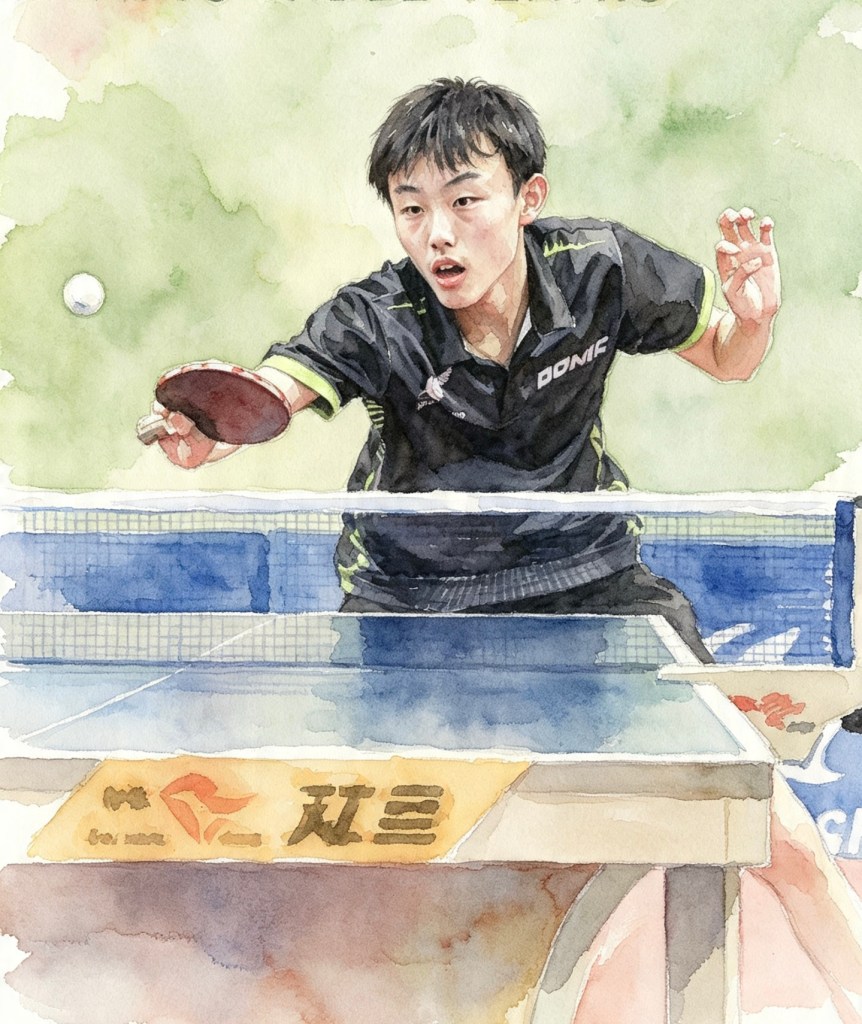
 TigerWing Table Tennis 翼虎乒乓